

LANAP vs Biolase Laser Treatment for Gum Disease in Columbia, MD
When it comes to treating gum disease, advanced laser therapies like LANAP and Biolase offer minimally invasive alternatives to traditional periodontal surgery. At
Smile Savers Dentistry in Columbia, MD, both technologies are available, but understanding the differences can help you choose the best option for your oral health needs. This comparison breaks down how each laser treatment works, its benefits, and what to expect from each.
What is Biolase Laser Treatment?
Biolase refers to an advanced dental laser system that uses laser energy, often combined with water spray technology, to perform a wide range of soft tissue and periodontal procedures. The Biolase Waterlase laser can be effective for treating mild to moderate gum disease and offers precise, minimally invasive treatment with less pain and bleeding than conventional methods. Unlike some periodontal lasers, Biolase systems can be used on both hard and soft tissue, depending on the specific model and settings used.
Biolase is popular for its versatility, comfort, and ability to support gum reshaping, periodontal cleaning, and other dental soft tissue procedures, though it may not be FDA‑cleared specifically for advanced periodontal regeneration like LANAP.
What is LANAP Laser Treatment?
LANAP stands for Laser‑Assisted New Attachment Procedure, a laser therapy specifically designed to treat periodontal disease by targeting diseased gum tissue while preserving healthy tissue. During the LANAP procedure, a specialized Nd:YAG laser is used to eliminate harmful bacteria and remove infected tissue deep within gum pockets without cutting or suturing. The goal of LANAP is not only to treat infection but also to stimulate the body’s natural healing processes, encouraging regeneration of lost gum and bone tissue. LANAP has been cleared by the FDA for periodontal therapy and is recognized for promoting true periodontal regeneration.
Patients in Columbia, MD often choose LANAP because it addresses moderate to severe gum disease with minimal discomfort, reduced bleeding, and faster recovery compared to traditional gum surgery.
LANAP vs Biolase: Key Differences in Treatment
When comparing LANAP and Biolase laser treatments for gum disease, several key differences stand out:
| Features | Biolase Laser Therapy | LANAP |
|---|---|---|
| Primary Use | Biolase is a versatile laser used for a variety of dental procedures, including early periodontal care. | LANAP is specifically designed to treat moderate to severe periodontal disease and stimulate regeneration of gum and bone. |
| Regenerative Potential | Biolase may not have the same regenerative properties for periodontal tissues. | LANAP actively promotes gum and bone regeneration. |
| Treatment Scope | Biolase can be used for both soft and hard tissue procedures, making it versatile. | LANAP is focused primarily on soft tissue periodontal therapy. |
| Sessions Required | Biolase may require multiple sessions, especially for ongoing treatment | LANAP often completes the full periodontal protocol in fewer visits. |
These differences help guide treatment plans based on the severity of gum disease and individual patient needs.
Advantages of LANAP Treatment for Gum Disease
LANAP offers several benefits, especially for patients dealing with moderate to advanced periodontal disease:
Targeted, Minimally Invasive Therapy
LANAP precisely targets infected tissue while preserving healthy gums and bone, minimizing overall trauma during treatment.
Regeneration of Tissue
One of LANAP’s unique advantages is its ability to stimulate the regeneration of gum and bone tissue, which is a critical factor in achieving long‑term periodontal health.
Reduced Pain and Faster Healing
Because the procedure eliminates the need for incisions and sutures, patients often experience less discomfort and shorter recovery times compared to traditional periodontal surgery.
Effective for Severe Gum Disease
LANAP is particularly suited for moderate to severe periodontal cases where more regenerative treatment is needed.
These advantages make LANAP a strong option for patients seeking comprehensive, long‑lasting gum disease care.
Advantages of Biolase Treatment for Gum Disease
Biolase treatment also offers meaningful benefits, especially for patients with mild to moderate gum concerns:
Versatility in Dental Procedures
Biolase lasers can be used across multiple types of dental treatments, including gum reshaping, periodontal pocket management, and soft tissue procedures.
Comfortable and Minimally Invasive
Biolase laser therapy is generally comfortable for patients, with less bleeding and swelling than traditional surgical techniques.
Effective for Early Gum Issues
For patients with early‑stage gum disease or those seeking cosmetic gum care, Biolase offers an effective, gentle approach.
While it may not stimulate deep tissue regeneration, Biolase provides a valuable treatment option for broader dental applications and less severe periodontal concerns.
Can Laser Gum Therapy Really Regrow Bone?
Exploring the Potential of Laser Gum Therapy in Bone Regeneration
One of the most compelling aspects of laser gum therapy, particularly LANAP, is its ability to stimulate the regrowth of bone tissue damaged by gum disease. In this article, we’ll examine how laser technology promotes healing at a cellular level, encouraging bone regeneration and improving overall oral health. Discover the science behind this innovative approach and whether it can truly restore lost bone in patients with periodontal issues.
Which Laser Treatment is Best for You? LANAP vs Biolase
Choosing between LANAP and Biolase depends on the severity of your gum disease and your long‑term dental goals. If you're dealing with moderate to advanced periodontal disease and want a treatment focused on regeneration and long‑term improvement, LANAP is often the recommended choice. Its specialized approach targets deep infection and encourages gum and bone restoration.
If your needs are more aligned with early gum care, cosmetic soft tissue adjustments, or general laser dentistry benefits, Biolase may be a suitable and less intensive alternative. Biolase offers a broader range of dental applications with comfortable treatment and rapid healing.
Ultimately, a consultation with your
dental care providerin Columbia, MD will help determine which technology best matches your periodontal health needs.
LANAP Recovery vs Biolase Recovery in Columbia, MD
Both LANAP and Biolase laser treatments are designed to be less invasive than traditional gum surgery, and both typically allow for faster recovery times:
- LANAP Recovery: Due to its focused and minimally invasive nature, many patients report reduced discomfort and return to normal activities within a few days. Pain and swelling are often minimal thanks to the precision of the Nd:YAG laser.
- Biolase Recovery: Biolase treatments generally involve little to no bleeding or swelling, and patients often experience rapid healing due to the gentle nature of the laser energy and its effect on soft tissues.
Both approaches support quicker recovery compared to conventional periodontal surgery, but individual experience can vary based on treatment scope and personal health factors. Discuss aftercare expectations with your dental provider for the best results.
LANAP Frequently Asked Questions
Learn More About LANAP: Benefits, Myths, and Insights
Invisalign
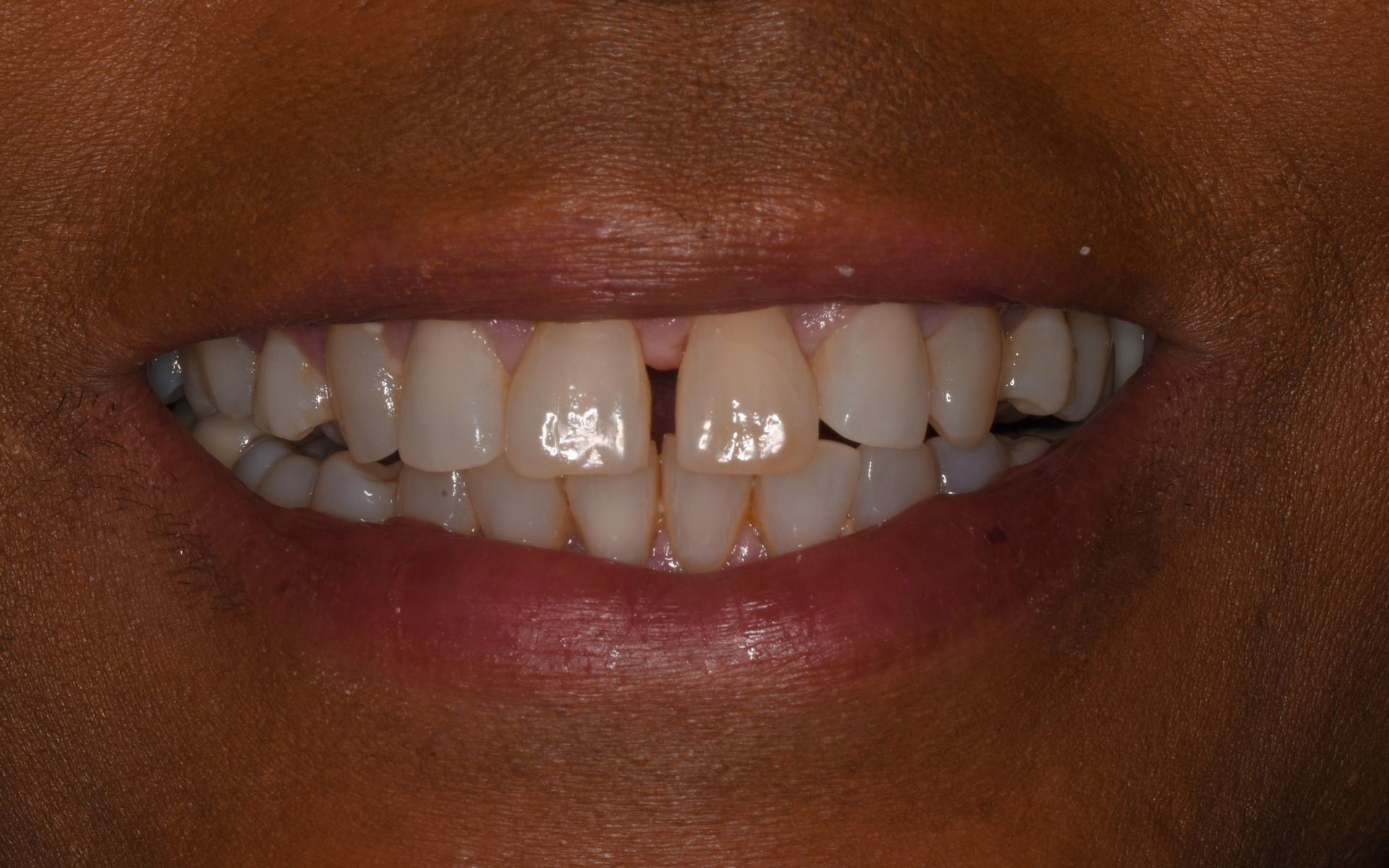
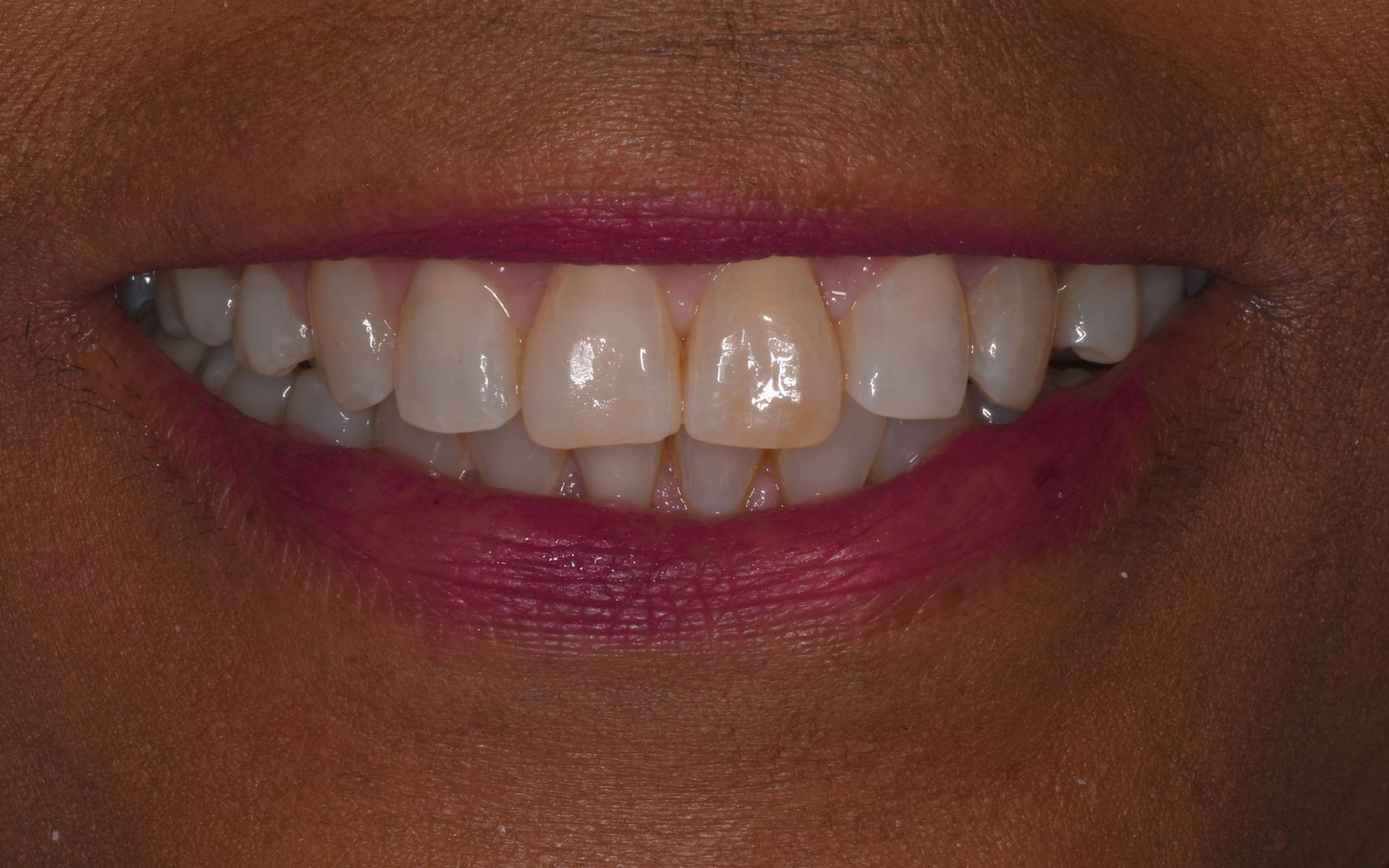
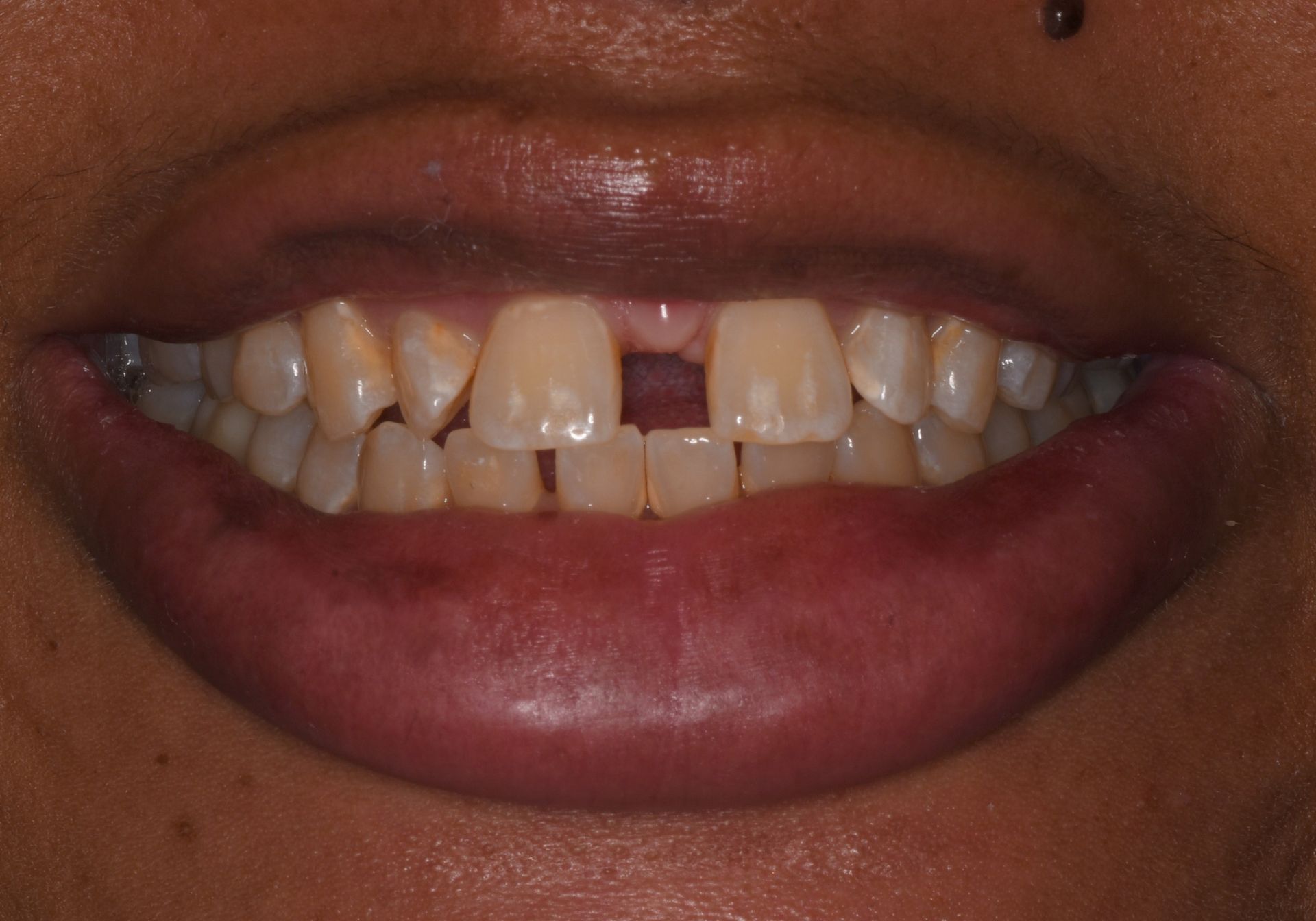
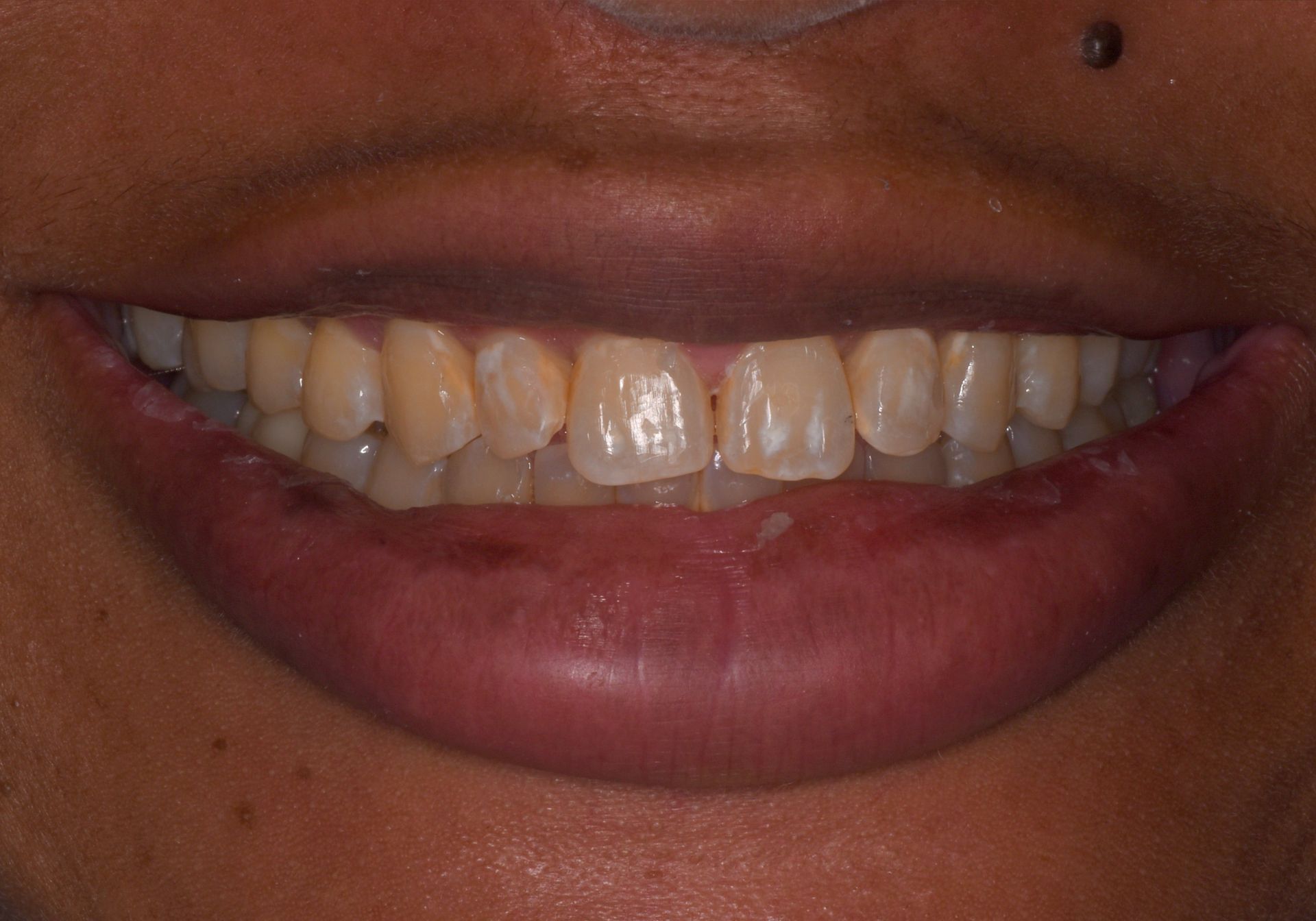
and LANAP Gum TreatmentUsed to Align Teeth and Restore Healthy Gum Tissue
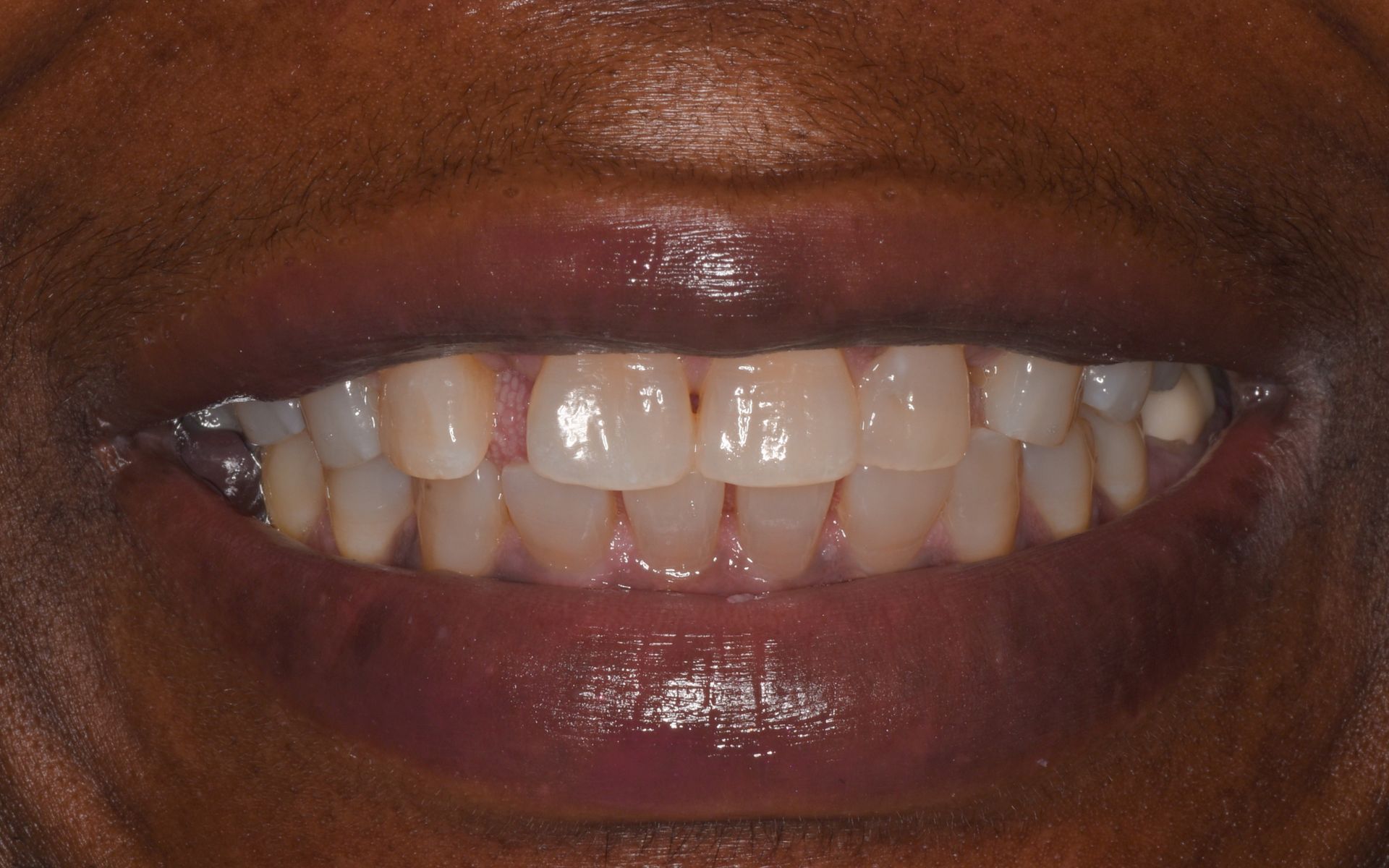
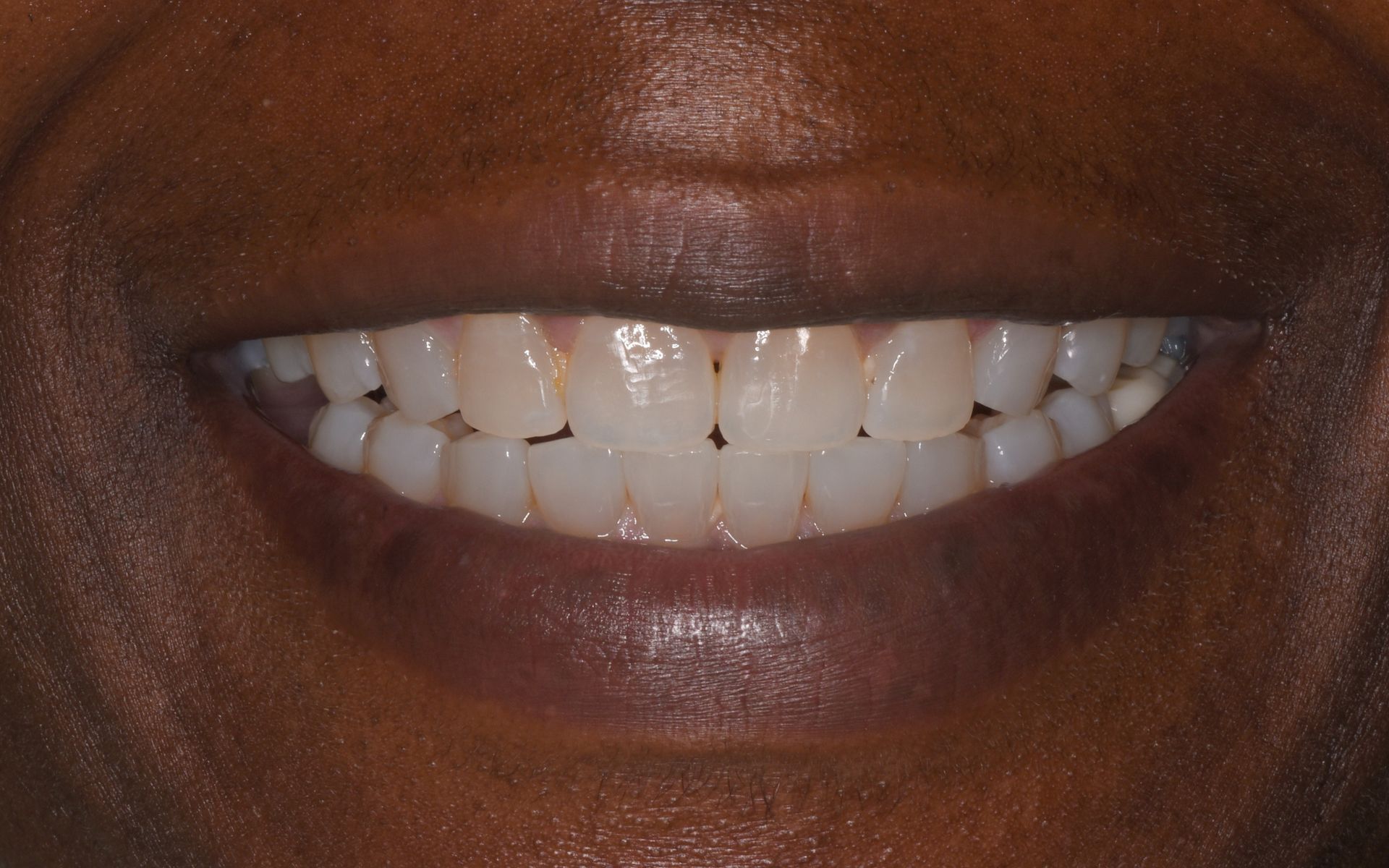
Book Your Consultation for LANAP Today!
We can help if you are suffering from gum disease, or if you want to learn more about Biolase or LANAP Laser Therapy.
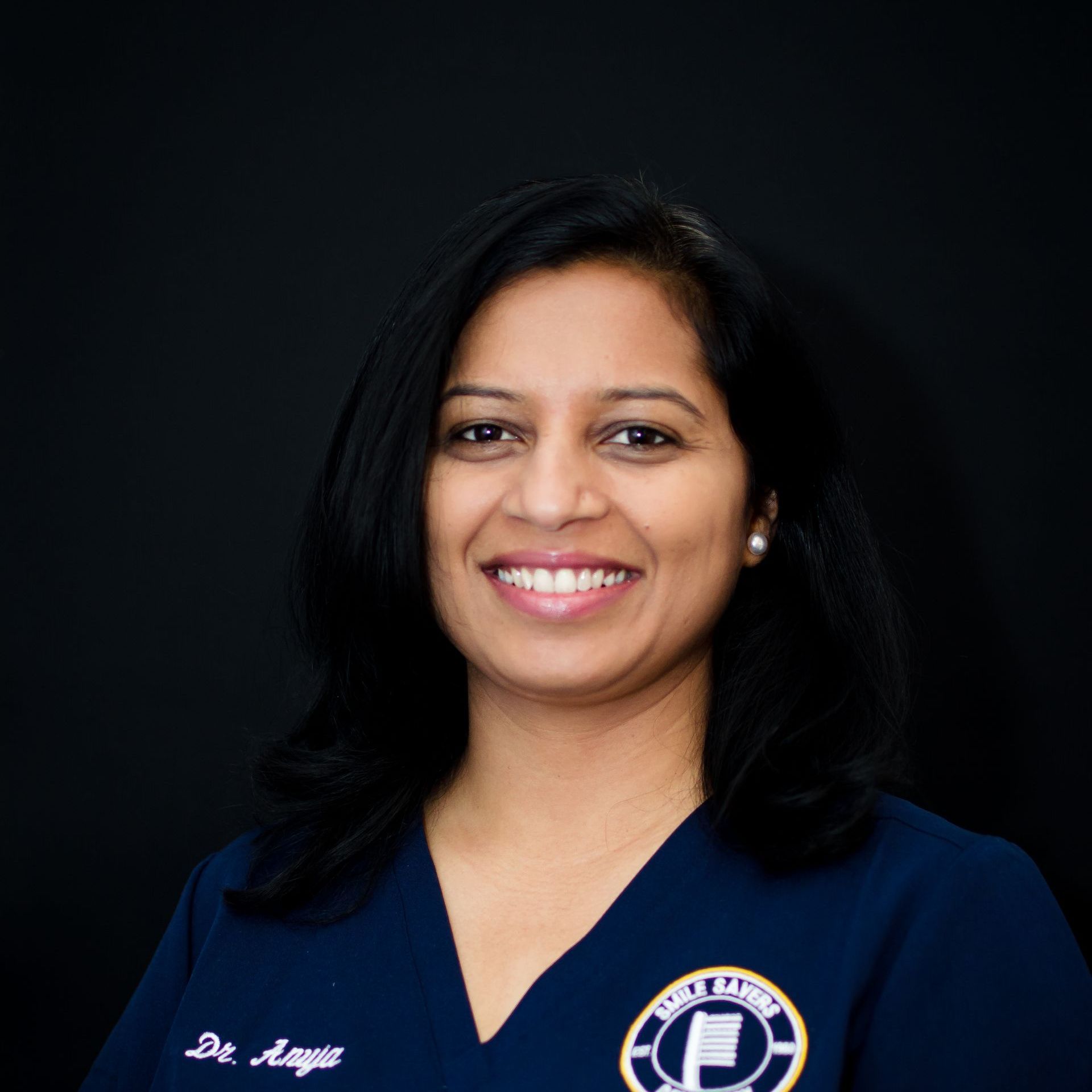
Contact Dr. Anuja Patel of Smile Savers Dental to schedule a consultation and discuss your options. Call us to set up your appointment.
Why Choose Smile Savers for Gum Disease Treatment with LANAP?
If you’re experiencing symptoms of gum disease, schedule a consultation at Smile Savers Dentistry for LANAP laser gum surgery! Our team will take care of your gums and teeth so you can be proud of your beautiful and healthy smile again.
Call us at
(410) 730-6460 to schedule your consultation at our Columbia, MD, dental office today!